Dr. Dr. Dimitrios Zaganas
Dimitrios Zaganas, PhD (2014, EPHE Paris; 2017, KU Leuven), is a senior researcher in Patristic and Byzantine Literature at the Faculty of Protestant Theology at the University of Bonn.
He currently leads a project on the letter corpus of Isidore of Pelusium at the Department of Church History.
Contact and Profile
In his research Dimitrios Zaganas focuses and published on Greek patristic exegesis (especially Old Testament commentaries), Cyril of Alexandria, the reception of Origen, Anastasius of Sinai, Ps.-Basil, Ps.-Didymus, Procopius the Christian sophist, and the modern history of Byzantine chant.
He is the author of La formation d’une exégèse alexandrine post-origénienne (Peeters, 2019) and of L’Hexaemeron d’Anastase le Sinaïte (Brill, 2022), and co-editor of the collection of essays Procopius the Christian Sophist (Brepols, 2024).
For Dimitrios Zaganas' publication record, please visit ORCiD: https://orcid.org/0000-0001-9393-5638

Research Associate | Wissenschaftlicher Mitarbeiter
dimitrios.zaganas@uni-bonn.de | dimitrios.zaganas@gmail.com
Room 2.016, An der Schlosskirche 2-4, 53113 Bonn
Project
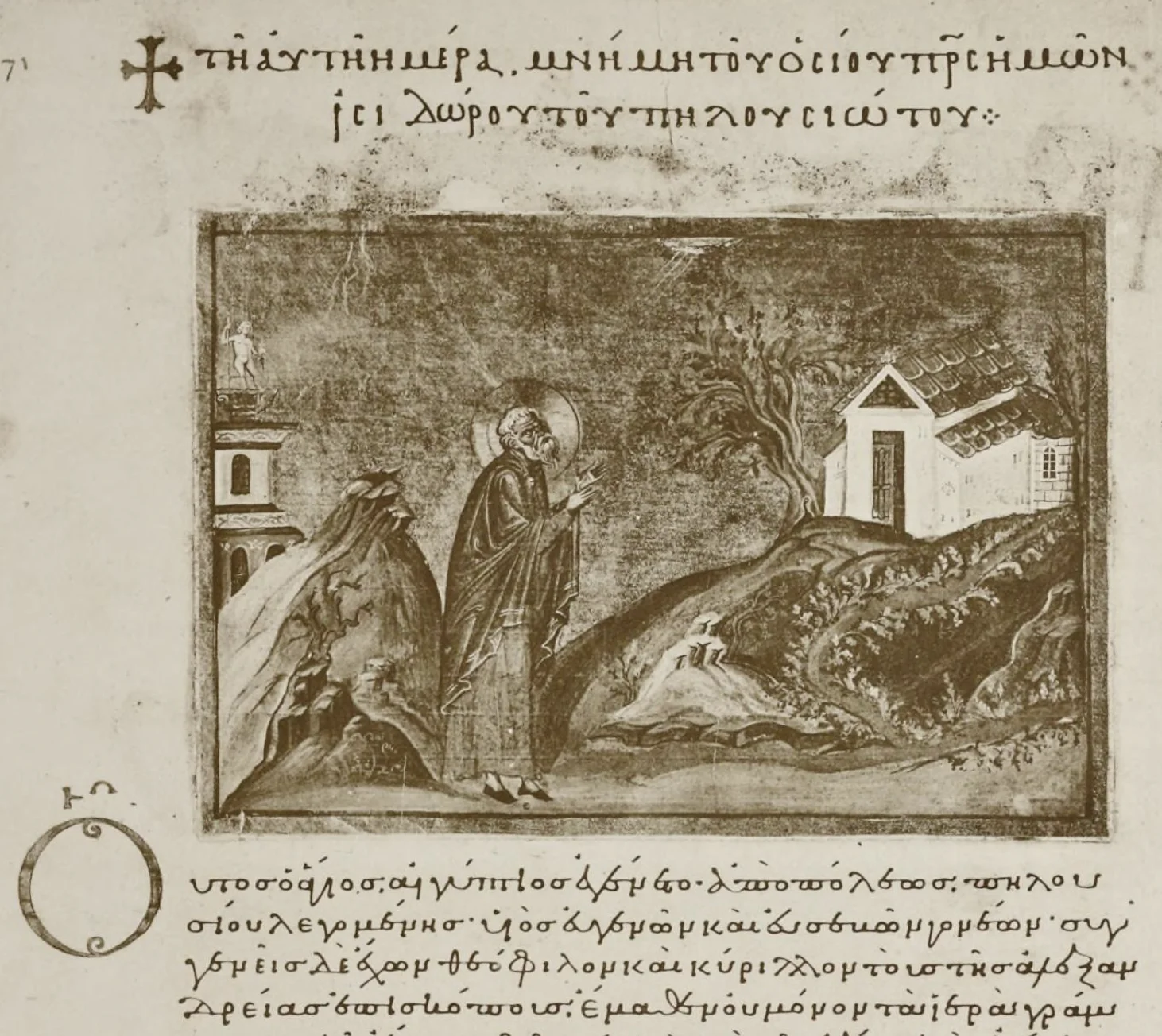
The Letter Corpus of Isidore of Pelusium
The letter collection transmitted under the name of Isidore of Pelusium (north-eastern Nile delta, Egypt) is the largest surviving body of Greek letters in Christian literature. It comprises some 2.000 (mostly rather short) letters which are addressed to a wide range of recipients (a total of 489 individuals): mainly clerics (bishops, priests, deacons), but also monks, scholastikoi, civil administrators, high officials, even the emperor. The letters are chiefly concerned with the interpretation of Scripture and with asceticism and morality, both within and without a Christian frame of reference. They do contain information about a wide variety of topics, and are increasingly being used as a valuable source for the first half of the 5th-century CE, yet their exploitation is greatly hampered by the uncertainty surrounding their origin and their historicity.
The aim of this project is to carefully examine the epistolary corpus assigned to Isidore of Pelusium from a historical- and source-critical perspective, as an attempt to tackle the issue of authenticity and to gain insight into the historical context in which these letters were written.
For more information, contact Dr. Dr. Dimitrios Zaganas.